Waste Management
The recycling industry conserves resources, reduces waste and strengthens our raw material independence – for a sustainable future.
Why Waste Management Matters
Resource consumption in industrialised countries is too high – we have long exceeded ecological limits. At the same time, the global waste problem is growing.
Waste Management tackles these challenges by:
- Reducing dependence on finite raw materials
- Cutting greenhouse gas emissions through greener processes
- Minimising waste through recycling and re-use
Germany, with limited natural resources and a robust waste infrastructure, is well-positioned to lead in circular innovation – strengthening competitiveness and sustainability.
Market Segments of the Waste Management
The circular economy comprises three core market segments, each with its own challenges and opportunities for innovation. Use the GreenTech BW Atlas to explore technology providers and circular economy experts from Baden-Württemberg.

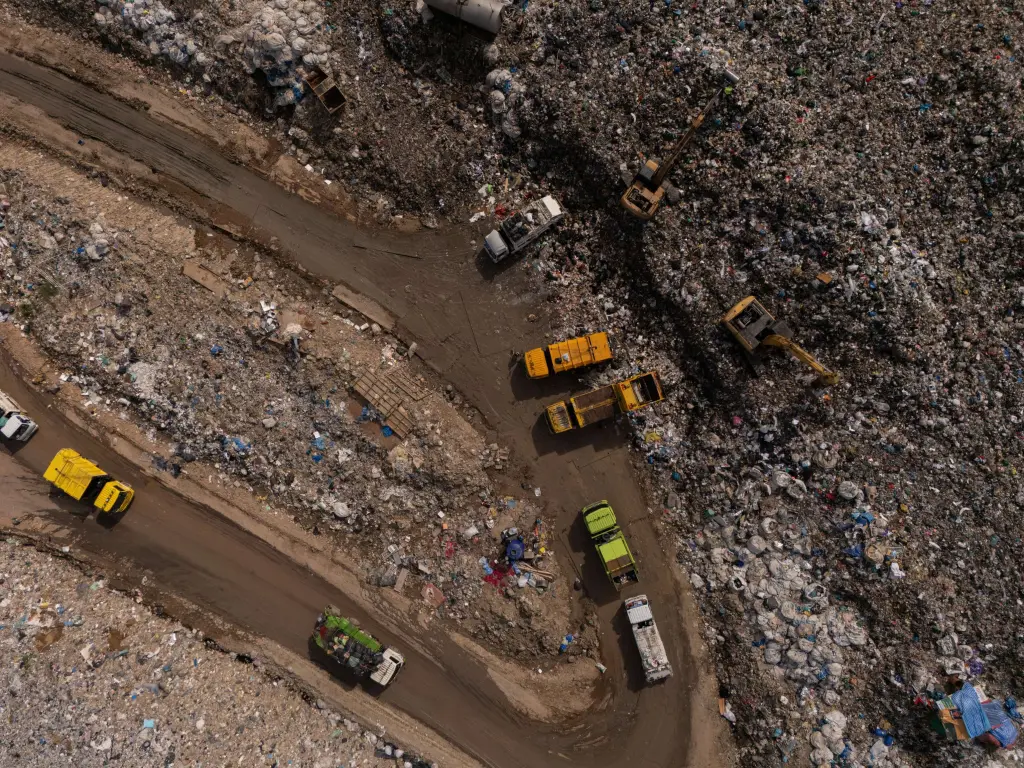
Landfilling: Safe Disposal as a Last Resort
Even in a well-functioning circular economy, not all waste can be recovered or recycled. Safe and proper landfilling therefore remains essential to:
- Protect soil and groundwater
- Minimise health risks
- Ensure sustainable waste management
Modern landfill concepts rely on low-emission processes and innovative pollutant reduction technologies.
Waste Collection and Transport: Efficient and Resource-Conserving
Efficient waste collection and transport are key elements of the recycling economy. This sector includes:
- Waste conveying and transfer facilities,
- Refuse collection vehicles, waste bins and bags,
- Street-cleaning systems that help maintain a clean environment.
Waste separation is the foundation of recycling – only when waste is correctly sorted at the point of collection can it be reused as valuable secondary raw materials.
Environmental technologies can significantly improve these processes, for example through:
- Intelligent sensors that indicate the optimal time for emptying waste containers
- Route optimisation systems that reduce traffic congestion and emissions
- Electrified or alternative propulsion systems that lower the environmental impact of transport
Waste Separation and Recovery: State-of-the-Art Recycling Technologies
Once waste has been collected, the actual value creation begins:
- Separation and sorting for targeted further processing
- Energy and material recovery from waste
- Innovative recycling technologies for reclaiming valuable raw materials
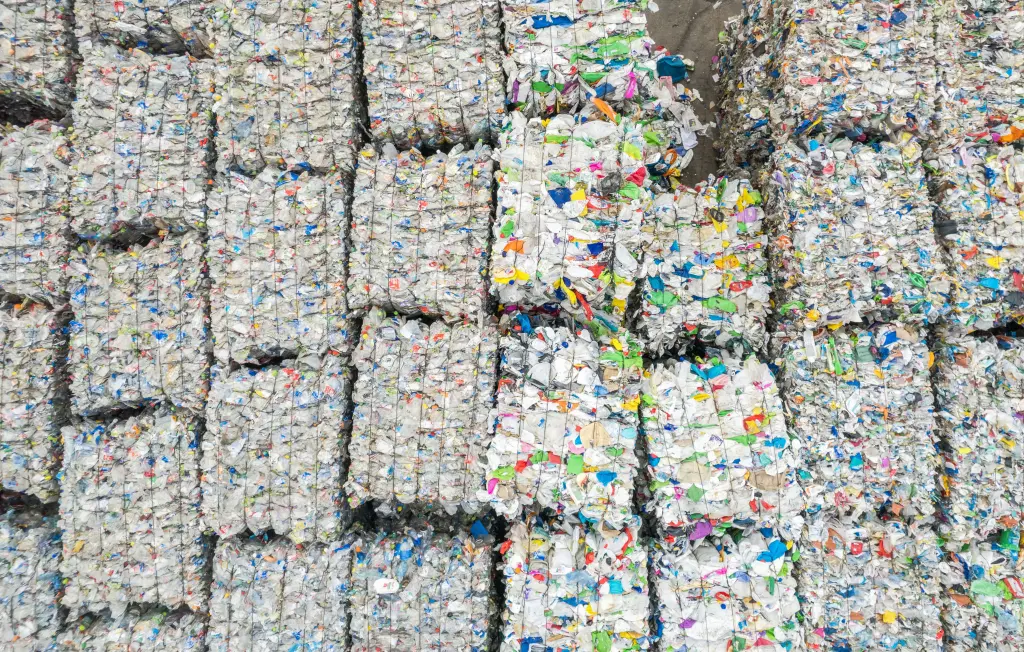
Efficient sorting is the key to successful recycling. Modern technologies enable more precise and faster separation of recyclable materials, including:
- Automated sorting systems using AI, robotics and camera technology
- Optimised sorting facilities with improved energy efficiency and enhanced safety
- Innovative recycling processes for recovering valuable raw materials
Get in touch with us!
The circular economy is at least as diverse as the challenges it faces. Do you have ideas, suggestions, proposals or questions that you would like to discuss with us? Then get in touch with us!
‘Recycling is the basis of closed material cycles. Creating high-quality recycled materials requires innovation, technology – and cooperation between all stakeholders, from collection and sorting to processing and use in new products.’
M. Sc. Jonas Umgelter, Project Manager Circular Economy