

Information
The Sustainability Center Freiburg (LZN) is a unique cooperation between the five Freiburg Fraunhofer Institutes (EMI, IAF, IPM, ISE, IWM) and the University of Freiburg. Together, they are pooling their scientific excellence to develop solutions for key challenges such as climate change, resource scarcity and the transition to a sustainable economy and way of life.
Freiburg offers ideal conditions for this: The city pursues an ambitious sustainability policy and its research institutions are among the international leaders in areas such as materials, energy and infrastructure research.
The LZN supports research and development projects in three main areas:
- Sustainable energy systems - energy transition technologies, safe batteries, resilient power supply, hydrogen technologies
- Sustainable materials, components and products - circularity, value-preserving processes, digitalization & AI for circular economy, energy and resource efficiency, R-technologies (e.g. reuse, repair, recycling)
- Resilient infrastructure and living spaces - crisis-proof, safe cities and regions
Within these focus areas, specialist communities are working on a total of nine topics, developing new technologies and promoting interdisciplinary cooperation.
A central mission of the LZN is the transfer of scientific findings to industry and society - through contract research, spin-offs, knowledge transfer by experts and cooperation along the Fraunhofer transfer paths.

Services
Impetus for sustainable innovation: research, transfer and networking from Freiburg
The Sustainability Center Freiburg (LZN) offers companies, public institutions and social stakeholders direct access to excellent research, state-of-the-art technology development and interdisciplinary expertise. The close cooperation between the five Freiburg Fraunhofer Institutes and the University of Freiburg results in solutions that are scientifically sound, practical and future-oriented.
Our services at a glance
1. Research and development cooperations
- Joint projects in the focus areas - Sustainable energy systems - Sustainable materials, components and products - Resilient infrastructure and habitats
- Development of new technologies in nine application-oriented subject areas
- Access to state-of-the-art laboratories, test environments and scientific expertise
2. Contract research for individual issues
- Customized solutions for technical, ecological and economic challenges
- Analysis, evaluation and optimization of products, processes and systems
- Scientifically sound basis for decision-making for companies and public stakeholders
3. Transfer of knowledge and technologies
- Support for technology transfer along the Fraunhofer transfer paths
- Workshops, training courses and specialist dialogs for employees and managers
- Placement of experts ("transfer via minds")
4. Innovation promotion and spin-off support
- Advice and support in the development of new business models
- Support for spin-offs from research
- Access to networks, funding programs and strategic partners
5. Networking and community building
- Establishment and moderation of specialist communities in all key research areas
- Initiation of consortium projects and collaborations
- Exchange formats between science, business, politics and society
Projects
CliReB-Calculator
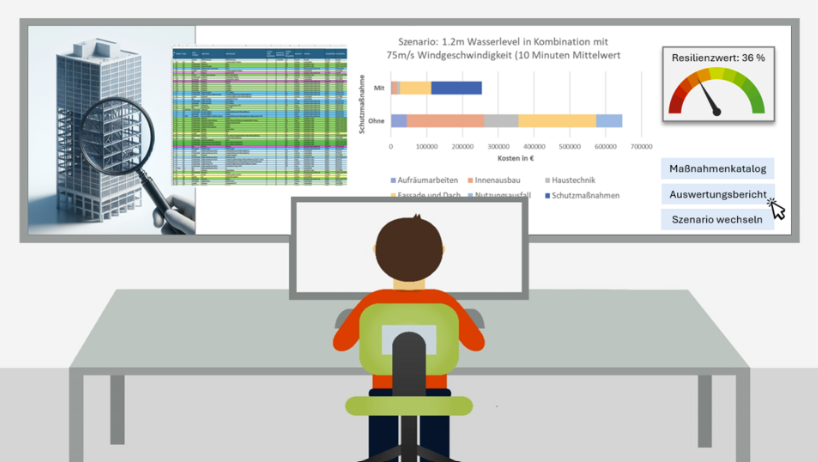
The Climate Resilience Building Calculator (CliReB-Calculator) is a software-based forecasting tool that assesses the resilience of buildings to extreme weather events such as floods or storms. It enables property owners, local authorities, insurance companies and other stakeholders to assess potential damage at an early stage and derive effective, cost-saving protective measures - without the need for specialist expert knowledge.
To make the technology widely usable, an informative homepage with interactive demonstrations and search engine optimization is being set up. In addition, a licensing strategy is being developed in which the calculator can be integrated into existing software as an API. A flexible pricing model is designed to address different user groups.
The pilot project will be funded by the LZN from 2025 to 2027.
HoloQS-FC
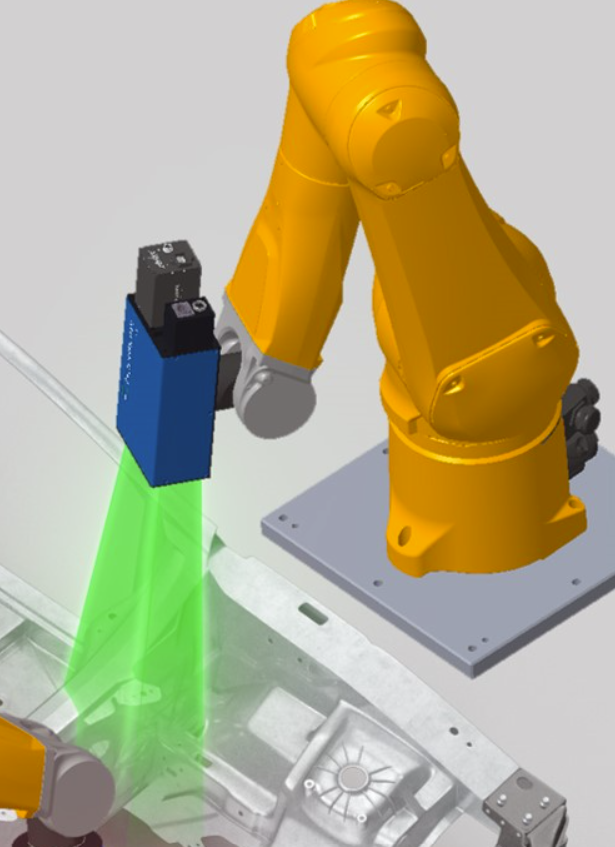
Fraunhofer IPM has further developed its digital holographic measurement technology so that large-area components such as bipolar plates and carbon-coated membranes can now also be measured over their entire surface with sub-micrometer accuracy and at sub-second intervals. These advances are based, among other things, on findings from the LZN projects LongPower and LongPower 4.0.
Industrial use of the system would enable early and complete quality assurance in the production of critical components for fuel cells and electrolysers for the first time - with significant efficiency gains in energy and resource consumption as well as in the performance of the end products.
In the HoloQS-FC transfer project, the measuring system is now to be qualified for use on flexible handling systems such as industrial robots, which is particularly essential for electrolyser production. Initial materials already exist for marketing, but reliable comparative measurements are still missing in order to present the system to the public and transfer it to other fields of application, such as battery production. As soon as these are available, target group-specific product sheets and a promotional film can be produced.
SAVIS
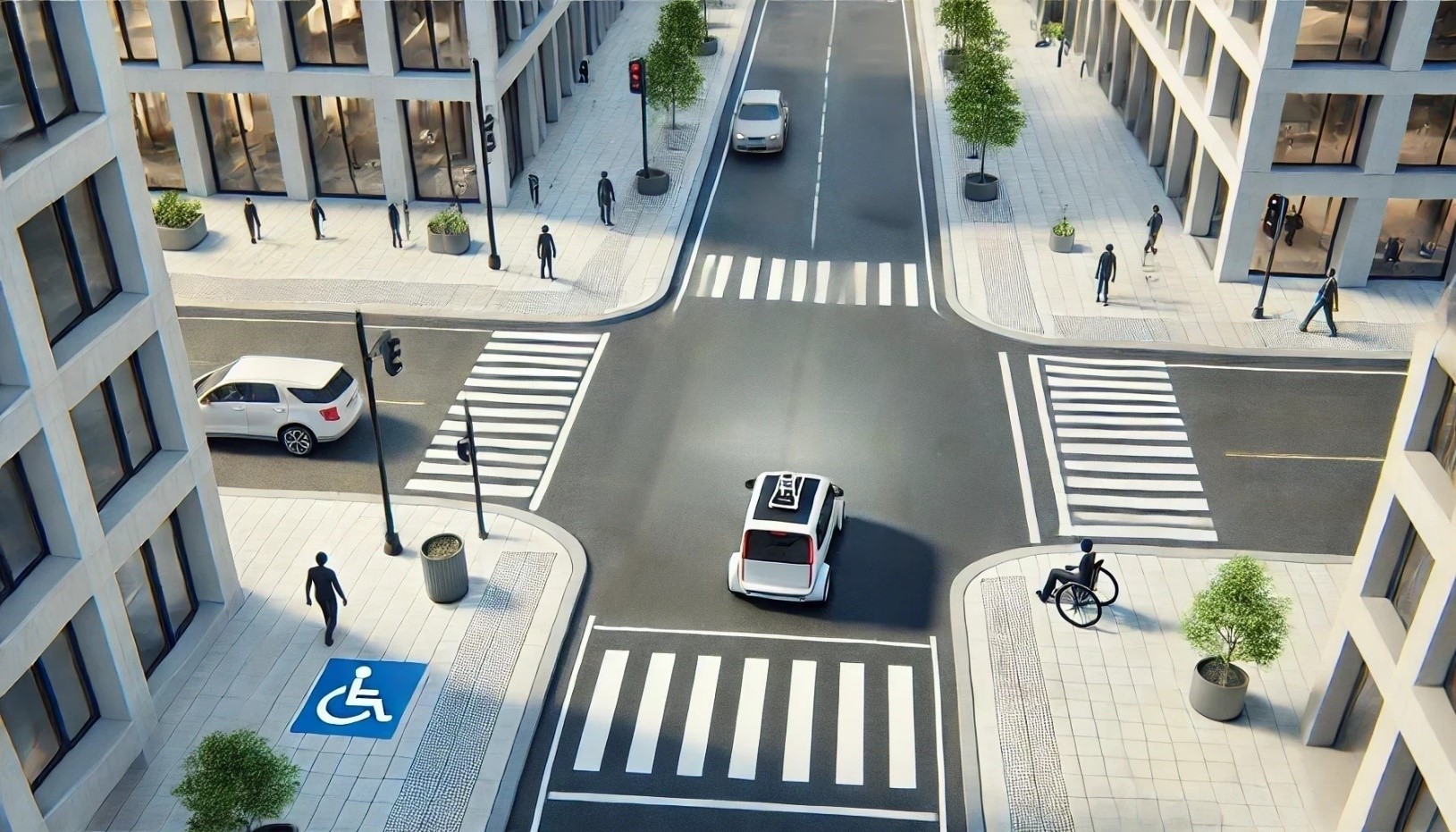
The SAVIS (System Analysis for Traffic Safety and Inclusive Urban Mobility) pilot project addresses key challenges in urban mobility: many cities do not take sufficient account of the needs of people with reduced mobility, which leads to barriers and safety risks on the roads. SAVIS therefore develops precise analysis methods to systematically record and evaluate barriers and potential hazards.
Using modern sensor technologies, stereo matching methods and simulation-based safety analyses, the aim is to create depth maps and 3D models of the cityscape that will serve as a basis for alternative infrastructure measures and recommendations for action for inclusive mobility. In this way, the project contributes to the targeted improvement of road safety and accessibility in cities.
SAVIS is anchored in the research focus "Resilient infrastructure and living spaces" of the Sustainability Center and involves partners from industry and administration at an early stage to ensure practical technology development. The project is funded by the LZN for the period 2025-2027.
ECO-COOLING
Global demand for cooling is growing rapidly - by 2050, more energy is expected to be needed for cooling than for heating. Although conventional compression chillers are efficient, they require noisy mechanical compressors and sometimes climate-damaging or flammable refrigerants.
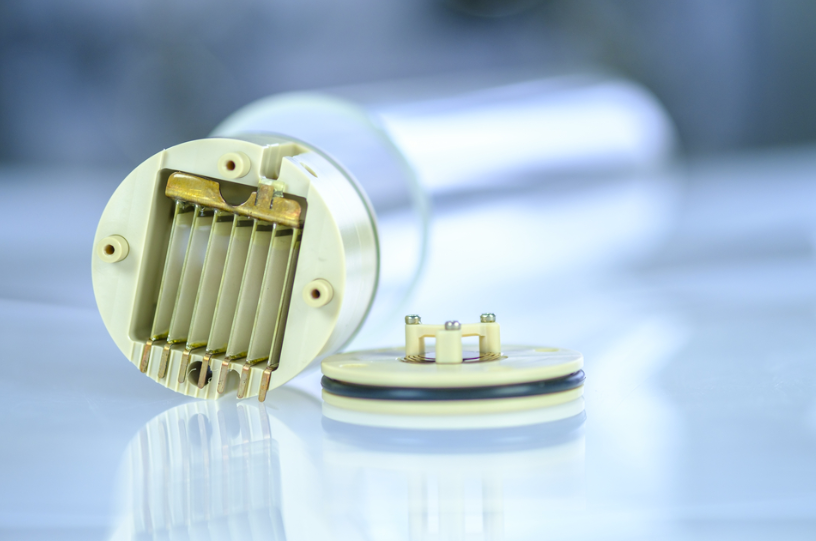
Fraunhofer IPM and Fraunhofer IAF are therefore further developing electrocaloric technologies that enable quiet, efficient and completely fluid-free cooling and heat pump systems. Previous projects have already demonstrated the high energy efficiency, power density and competitiveness of the Fraunhofer system approach. The new ECO-KÜHL project will deepen this research.
The central objectives are the production of optimized electrocaloric polymer components with SiOx coating (IPM) and the development of high-performance GaN-on-sapphire transistors with 1.7 kV reverse voltage (IAF) in order to further increase the electrocaloric effect.
FoTraBox
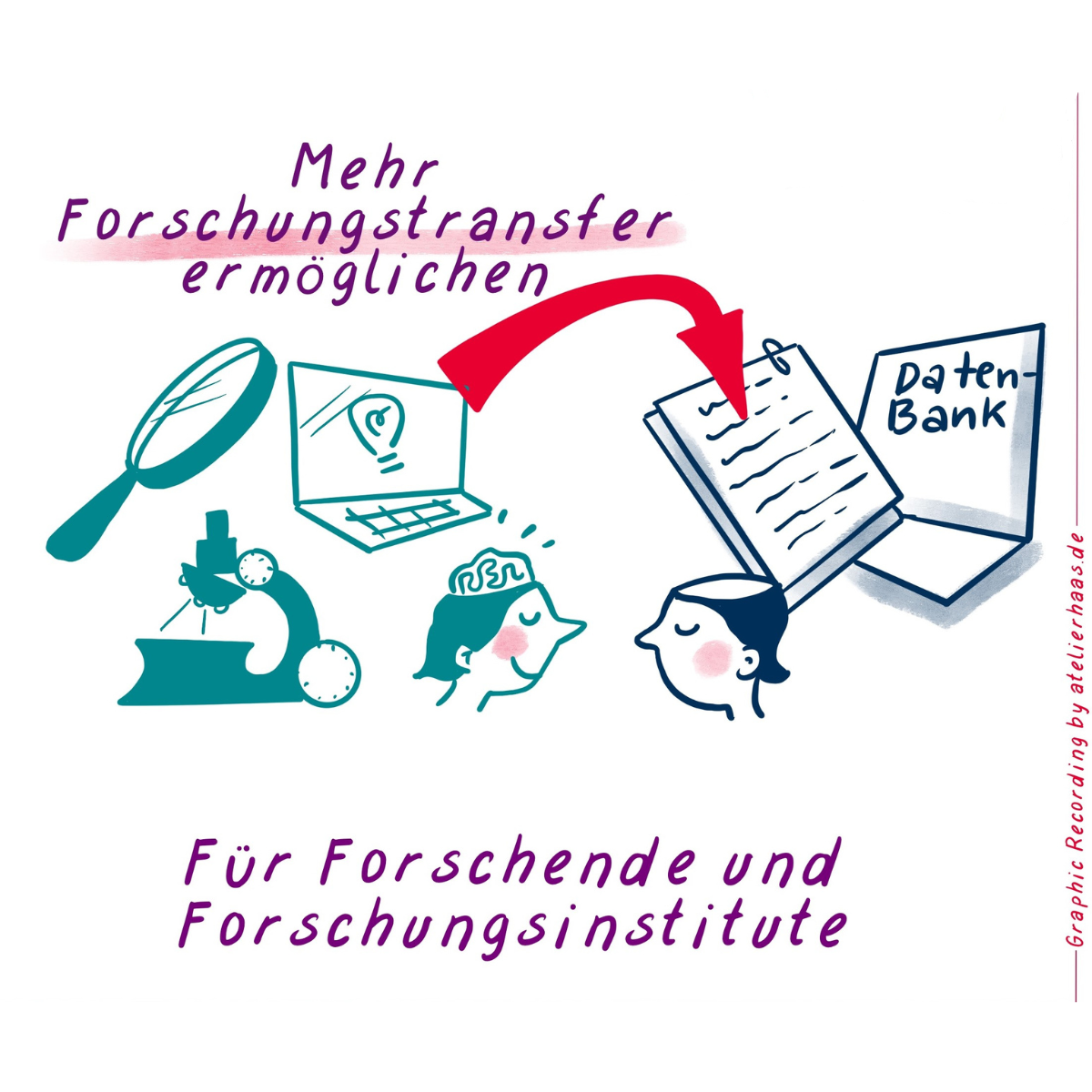
The Sustainability Center's FoTraBox project addresses the frequent discrepancy between scientific research and the actual needs of business and industry. Researchers are under increasing pressure to adapt their work to changing funding conditions, economic requirements and transfer opportunities such as industry contracts, licenses or spin-offs.
FoTraBox is developing a methodological toolbox that bundles tried-and-tested methods and enables researchers to identify market requirements at an early stage and strategically align their research with the market.
The project is funded as part of the DATIpilot innovation sprint funding line (BMBF) and implemented in cooperation with Grünhof 3000 GmbH (machn).
FPV4Resilience
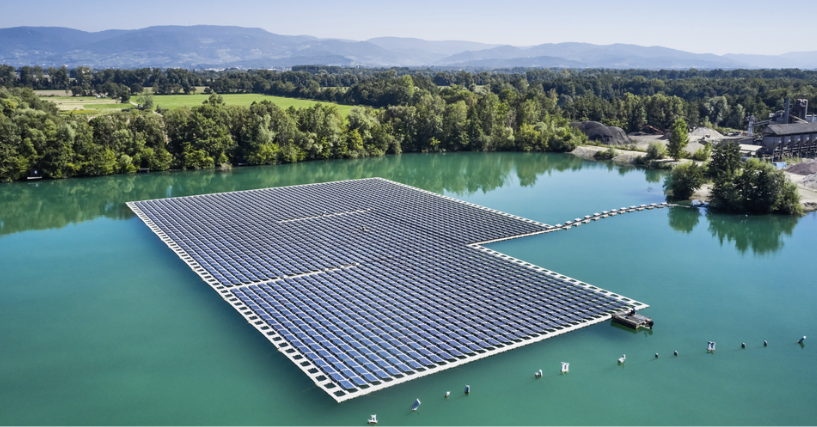
The project investigates how floating PV (FPV) systems affect the ecological characteristics of European lakes - especially in the context of climate change, which is altering the thermal structure and stability of many water bodies. As such changes can affect aquatic ecosystems and the role of lakes as carbon sinks, the project analyzes different FPV configurations to enable nature-compatible and efficient plant planning.
The focus is on effects on shading, wind reduction, water quality and biodiversity. The measurements show strongly varying values depending on the location and system design (e.g. 50-95 % shading, 39-95 % wind reduction), but no serious negative effects on water quality or observed species. Statements on the long-term impact on flora and fauna remain provisional due to the limited sample size.
Two tools were developed for the practical use of the results:
- a hydrodynamic model (GLM-AED2) that simulates FPV impacts in detail and supports planning and environmental assessment processes
- an optimization tool that combines ecological, economic and social criteria to derive sustainable land use for FPV facilities. Surveys show different priorities between experts and non-experts, yet the tool provides consistent recommendations.
Overall, the project shows how FPV facilities can be designed to be energy efficient while protecting aquatic ecosystems.
FURTHER
The WEiteR project addresses the growing importance of hydrogen as a key energy source in the energy transition and the associated increase in the production of CFRP pressure vessels. As carbon fibers are energy-intensive to produce and are only available in limited quantities worldwide, sustainable strategies are needed for the use, reuse and high-quality recovery of these tanks in order to meet ecological and economic requirements.
WEiteR is setting up a Freiburg competence center for this purpose, supported by Fraunhofer EMI, Fraunhofer IWM and INATECH. Methods are being developed to monitor the condition and predict the service life of CFRP tanks in order to extend their useful life or open up alternative uses.
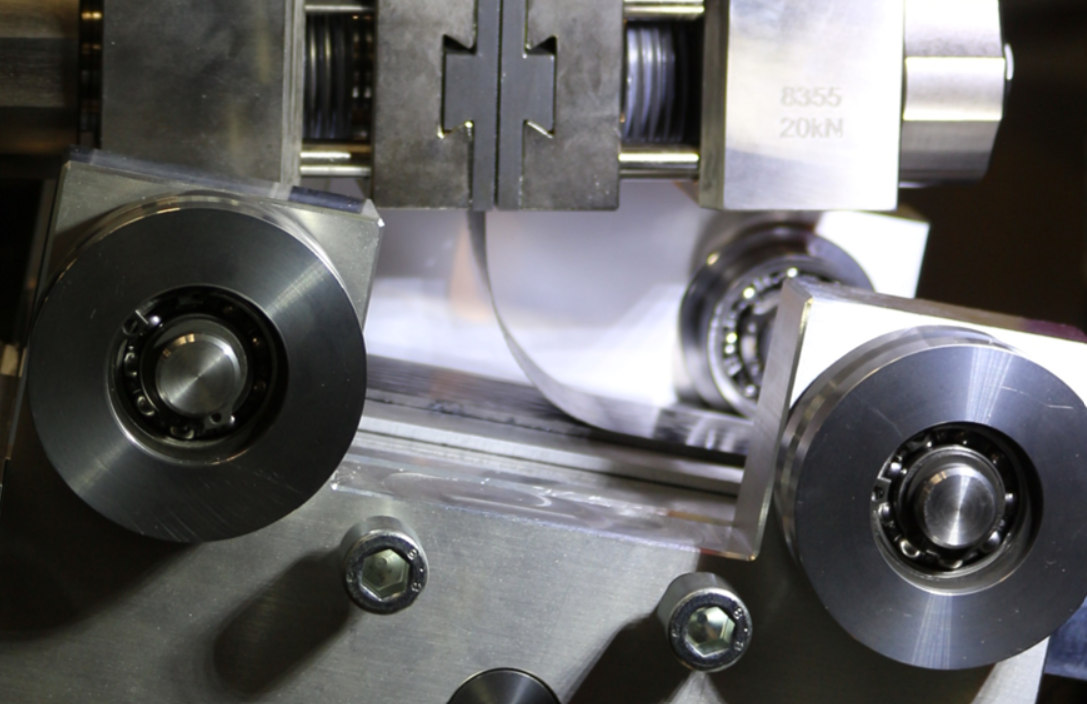
One focus is an innovative peel process that recovers carbon fiber tapes without shortening the fibers. In contrast to conventional recycling processes, which usually lead to downcycling, this process enables the recovery of high-quality continuous fibers. In addition, a numerical method is being developed to determine the optimum process parameters for different material combinations.
WEiteR is thus creating the basis for a sustainable, resource-conserving and economically viable recycling strategy for CFRP hydrogen tanks.
Markets
Contact
Leistungszentrum Nachhaltigkeit Freiburg
Leistungszentrum Nachhaltigkeit Freiburg
Ernst-Zermelo-Straße 4
79104 Freiburg
Germany
Leistungszentrum Nachhaltigkeit Freiburg is responsible for the content of this company profile as well as the compliance with the copyrights of the image material.