


Circular Economy
A circular economy conserves resources, extends product lifecycles and promotes sustainable innovation – for a future-proof economy.
More recycling, less waste
The circular economy is a key area of the GreenTech sector. The aim is to keep products, materials and resources in the economic cycle for as long as possible, to avoid waste and to significantly reduce the consumption of primary raw materials. For Germany, a country with few natural resources but a strong industrial base, this approach offers great opportunities:
Companies can boost their competitiveness, cut costs and, at the same time, make a significant contribution to climate and environmental protection.
Why a circular economy?
In a world where resources are increasingly limited, economic success is becoming ever more dependent on how efficiently companies use materials and products.
A circular economy makes it possible to utilise the value embedded in products and materials for as long as possible, thereby boosting economic efficiency:
- Ensuring value growth – reusing products and materials multiple times, maintaining quality and functionality, and maximising returns on investment
- Reducing costs – lower material consumption, reduced procurement costs through recycling and reuse
- Tapping into new business models – services, product lifecycle models and innovative markets increase revenue potential
Environmental benefits arise automatically: through the extended use of materials, waste prevention and closed material cycles, emissions are reduced and raw materials are conserved.
The circular economy thus offers not only a sustainable but, above all, an economically attractive strategy: companies can cut costs, boost profits and secure their long-term competitiveness – whilst simultaneously contributing to a more climate-friendly economy.
Market segments in the circular economy
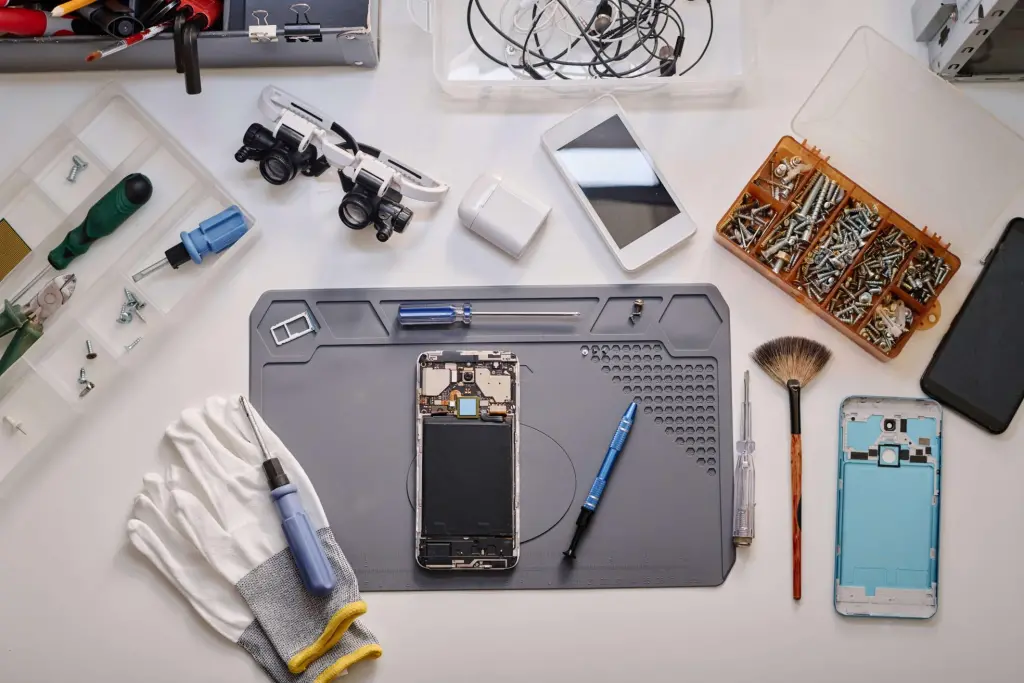
Circular services, business models & product design
Circular services and business models focus on the use and preservation of value in products. Repair, refurbishment and sharing concepts extend product life cycles, whilst Product-as-a-Service models complement or replace traditional product sales. Take-back and deposit schemes, as well as consultancy and certification services, help companies to successfully implement circular strategies and tap into new, sustainable value creation potential.
Design principles such as repairability, durability and ease of disassembly are taken into account right from the product development stage to ensure that these business models are technically and economically viable in the first place.

Digital and organisational technologies for circular economies
Digital and organisational solutions are crucial for effective circular economy systems. Product material passports, data rooms and platforms for secondary raw materials create transparency regarding materials and products. IoT-supported return systems and track-and-trace solutions enable efficient collection, sorting and reuse. This makes circular systems across company and industry boundaries predictable, scalable and economically viable.
Circular materials
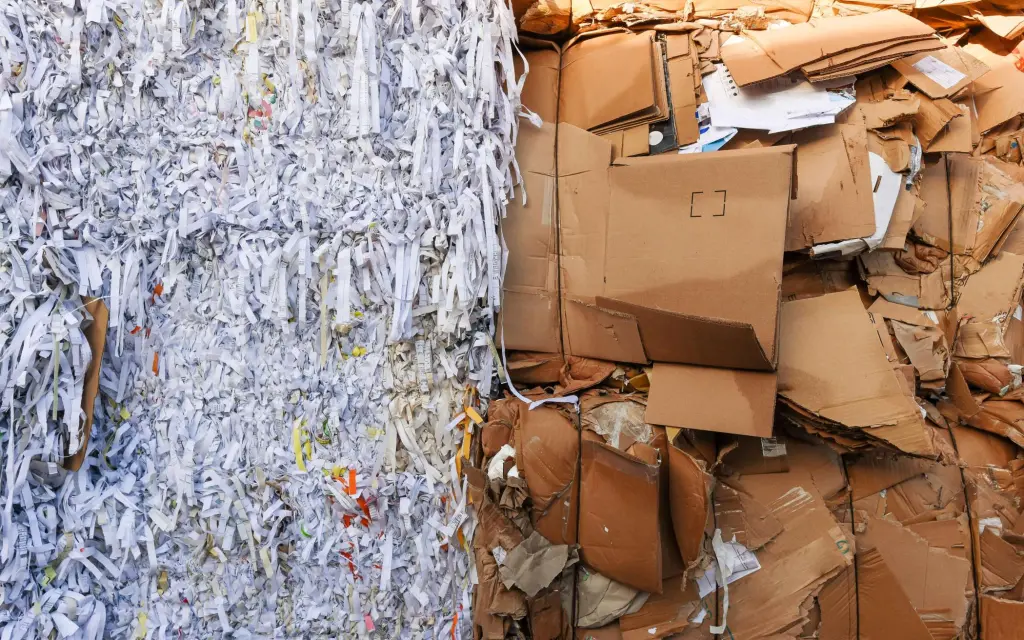
Circular materials form the material basis of a functioning circular economy. The focus is on secondary raw materials, recycled materials and bio-based materials, which replace primary resources and close material loops. Innovative processing, recycling and separation technologies make it possible to recover high-quality materials and reintroduce them into industrial processes.
Furthermore, material substitution, single-material streams and new material combinations are becoming increasingly important in ensuring recyclability and value retention across multiple usage cycles.
Aktuelle Veranstaltungen
Entdecken Sie unsere vielfältigen Veranstaltungen rund um das Thema „Zirkuläres Wirtschaften“ und vernetzen Sie sich mit den Akteuren der Branche! Von Netzwerktreffen bis hin zu After-Work-Events und Schulungen bieten wir regelmäßig kostenfreie Angebote, sowohl offline als auch online.
Aus unserer Veranstaltungsreihe:
GreenTech BW TechTalk - die TechTalks widmen sich regelmäßig zentralen Zukunftsthemen aus unseren vielfältigen Leitmärkten. Die wichtigsten Erkenntnisse aus den Sessions bereiten wir in kompakten Beiträgen für Sie auf.
Get in touch!
The circular economy is as diverse as the challenges associated with the transition to sustainable value creation systems. Do you have any ideas, suggestions, project proposals or questions regarding circular business models, technologies or materials? Then please get in touch – we look forward to hearing from you!
The core of the circular economy lies in preserving the value of products and components. New business models, services and digitalisation are needed to implement this value preservation efficiently and cost-effectively for businesses.
Jonas Umgelter, Project Manager for the Circular Economy
