


Circular Bioeconomy
Bio-based instead of fossil raw materials: the bioeconomy creates new value chains for a sustainable and future-oriented economy.
Aligning Economy and Sustainability
Circular bioeconomy is a key part of the GreenTech and cleantech sectors
Challenges and Solutions
One of the main challenges of the circular bioeconomy is its high demand for biological resources.
Since arable land is limited, the bioeconomy also relies on alternative sources such as:
- Wastewater
- Waste
- Exhaust gas
These material streams offer many opportunities. What is often perceived as waste can be transformed into valuable resources through innovative GreenTech approaches.
Market Segments of the Circular Bioeconomy
The circular bioeconomy is divided into three market segments, each with its own specific challenges. Across all three segments, numerous technology providers and service companies are developing, planning, and implementing innovative solutions. You can find them in the GreenTech BW Atlas.
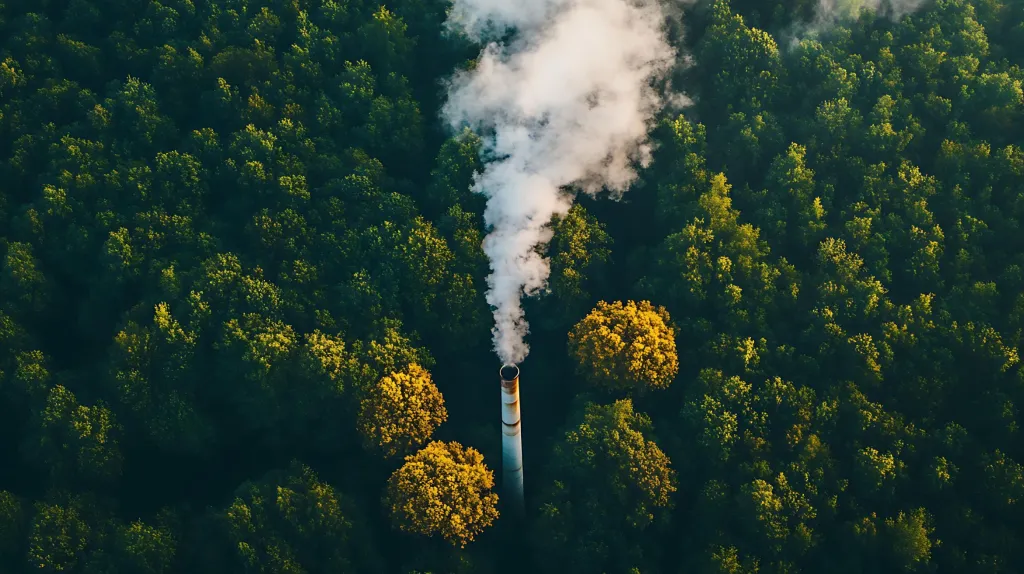
Exhaust Gas as a Resource
Flue gases like CO₂ tend to have a poor reputation. They result from the thermal and material use of fossil fuels and raw materials and significantly contribute to climate change. But flue gases can also be turned into a resource:
- Biotechnological carbon capture and utilisation (CCU) using microorganisms can bind CO₂ and convert it into bioplastics or other valuable materials.
- Methane, obtained from biogas or sewage gas, can be used to generate energy.
- Methane can also be converted into hydrogen through a process called steam reforming – currently the most common method worldwide for producing hydrogen from carbon-based sources.
Waste as a Resource – Valuable Materials from Organic Waste
Municipal and industrial organic waste harbours enormous potential: valuable resources can be derived from what appears to be waste, including:
- Biopolymers, extracted from nutrient-rich liquid of organic waste, are used in bioplastic production.
- Fibre materials from organic waste can be used to produce biodegradable plant pots.
- Insect biorefineries can extract fats and proteins from organic waste streams.
Wastewater as a Resource – Recovering Energy and Nutrients
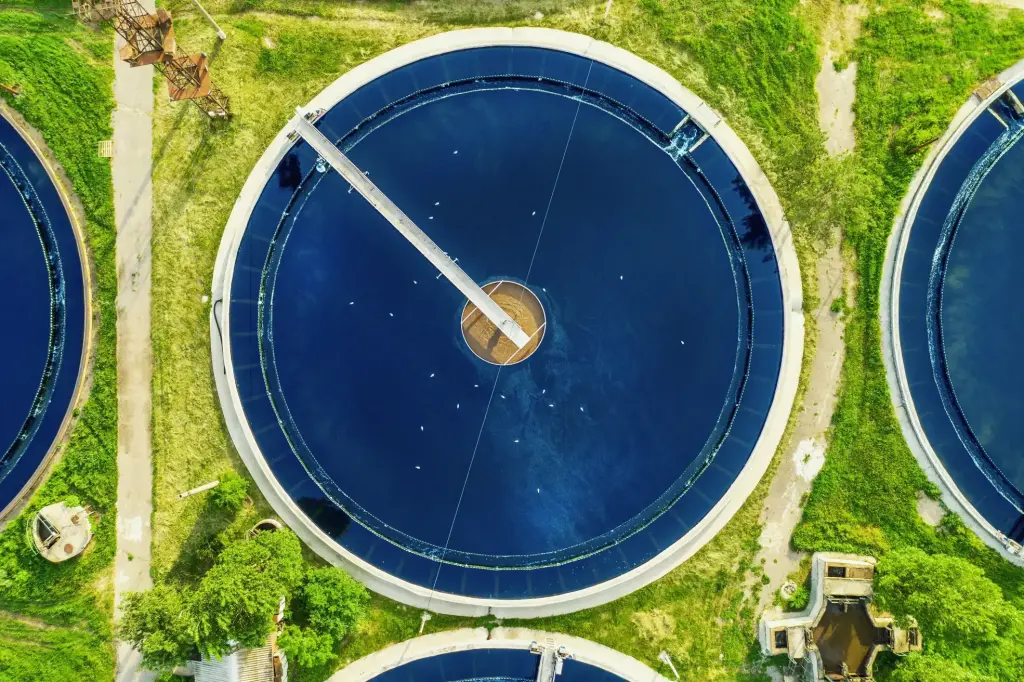
Wastewater contains many untapped materials – wastewater treatment plants offer numerous possibilities for recovering resources and energy:
- Phosphorus and nitrogen are essential nutrients in agriculture and can be recovered from wastewater.
- Waste heat can be fed into district heating networks.
- Hydrogen can be produced sustainably via electrolysis using biologically treated wastewater.
Through advanced green technology and cleantech innovations, wastewater becomes both a source of resources and a sustainable energy carrier.
Get in touch with us!
The circular bioeconomy has tons of potential. Do you have ideas, suggestions, proposals or questions that you would like to discuss with us? Then get in touch with us!
What used to be waste is now a raw material. This is what the sustainable circular bioeconomy shows us. By closing cycles, we are laying the foundations for a sustainable economy that serves both nature and society.
Manuel Bauer, Project Manager Bioeconomy
