Green Technologies
What Are Green Technologies?
The term green technology is increasingly coming into focus – and for good reason:
The transition to a climate-friendly and resource-efficient economy is among the central challenges of our time. To shape this transformation successfully, innovative and sustainable technologies are essential. But what exactly does the term green technology mean? What does it stand for – and how can these technologies contribute to solving the major ecological and societal challenges of today?
Definition: What Does Green Technology Mean?
Green technologies – also referred to as GreenTech or environmental technology – include all technologies aimed at minimising environmental impacts or using natural resources more efficiently. The goal is to combine ecological sustainability with economic development. Green technologies are therefore intended not only to help protect the environment but also to provide environmentally friendly alternatives to existing processes and products.
Challenges
While green technologies are essential for a future-oriented economy, several challenges remain:
- Awareness: Consumers and businesses need to rethink and be willing to embrace new paths.
- Technological maturity: Some solutions are still under development and not yet widely applicable.
- Costs: Initial investments in new technologies are often high.
- Policy framework: Support, subsidies, and clear regulations are crucial for implementation.
Why Are Green Technologies So Important?
The global population is growing, resource consumption is rising, and the consequences of climate change are increasingly evident worldwide – through droughts, floods, and extreme weather events. At the same time, fossil resources are becoming scarcer. Within this tension, green technologies can make a decisive contribution to:
- reducing the ecological footprint,
- limiting global warming,
- preserving natural livelihoods, and
- fostering economic innovation.
Moreover, the development and application of green technologies also provide economic opportunities: new markets are emerging, future-proof jobs are being created, and companies can gain competitive advantages through sustainable innovation.
Fields of Application for Green Technologies
Green technologies are now present in many key sectors of the economy – particularly in areas characterised by high resource consumption or CO₂ emissions, or those already heavily affected by climate change. Here are some examples:
Here are some Examples:
1. Water Management
Water management is at the centre of many green innovations in Baden-Württemberg. Climate change is increasing the demands on water supply – for instance, through extreme weather, water scarcity, or rising pollutant levels. Green technologies offer forward-looking solutions:
- Sponge city concepts store rainwater locally, relieving the sewer system during heavy rainfall.
- Wastewater treatment plants function as biorefineries, recovering valuable raw materials such as phosphorus or nitrogen.
- Hydrogen production from treated wastewater represents an innovative link between water and energy sectors.
- Climate-friendly and energy-efficient processes are being established in wastewater treatment to reduce greenhouse gas emissions such as nitrous oxide.
- Smart water network management helps detect leaks at an early stage and minimise water losses.
These technologies contribute to securing drinking water supplies, conserving resources, and reducing emissions.
2. Carbon Managament Technologies
Many industrial processes – such as in the cement or chemical industries – generate CO2 emissions that are technically difficult to avoid. Green technologies target precisely these points, helping not only to reduce emissions but also to put them to beneficial use. Two key technologies are in focus:
- Carbon Capture and Utilisation (CCU): CO2 is captured directly at the source and subsequently used as a raw material – for example, in the production of plastics, construction materials, or synthetic fuels. In this way, carbon becomes the basis for new products and cycles.
- Carbon Capture and Storage (CCS): Here, captured CO2 is permanently stored underground – e.g. in depleted oil and gas reservoirs or in deep saline aquifers. This technology ensures the long-term binding of CO2 and is particularly relevant for hard-to-avoid emissions.
Both methods are central building blocks of integrated carbon management. They contribute to closing material cycles and creating new economic opportunities.
3. Waste Management
To decouple economic growth from resource consumption, the circular economy also relies on green technologies.
In waste separation and recycling, technologies for material flow analysis, sorting, and reuse are at the forefront. In waste collection and logistics, optimised route planning and low-emission collection vehicles improve efficiency across the entire process.
The aim is a holistic, circular system that views waste not as a problem but as a resource – a foundation for the ecological transformation of the economy.
4. Raw Material and Resource Efficiency
Industrial processes consume vast quantities of raw materials. Green technologies help significantly reduce this consumption – a step that often cuts costs as well.
Digitalisation, for example, enables better information flows:
- materials and equipment can be used more efficiently,
- routes shortened,
- and intelligent connections established.
5. Renewable Energies
The most well-known field of green technology is energy generation from renewable sources. The following technologies reduce dependence on fossil fuels such as coal, oil, or gas – and thus also cut CO2 emissions:
- Solar energy: Photovoltaic systems convert sunlight into electricity.
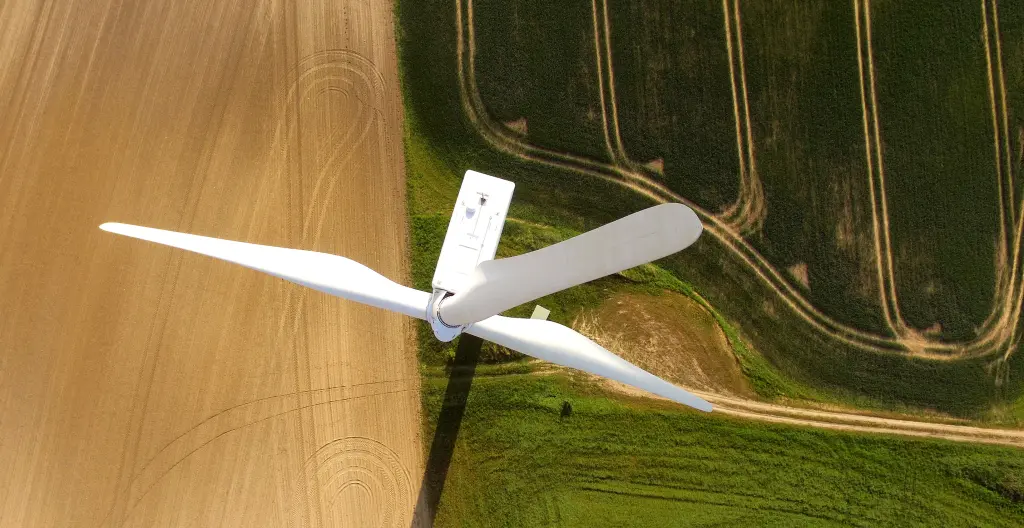
- Wind energy: Turbines harness wind power to generate electricity.
- Hydropower: River currents and gradients are utilised for energy production.
- Geothermal energy: Heat from beneath the earth’s surface is used for heating or power generation.
- Biomass: Organic matter such as wood or crop residues serves as fuel.
These technologies reduce dependence on fossil fuels such as coal, oil, or gas – and thus also lower CO2 emissions.
GreenTech BW Atlas: The Platform for Users and Providers